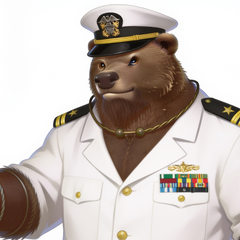
Voyage Planning
Summary: Leadership and expert supervision are needed most at the start and finish of a project — the naval analogy of harbor entry/exit being more dangerous than open ocean.
Sources: Handwritten.md; LinkedIn Posts.md (“Voyage Planning,” posted 2025-10-28, Part 2 of Paul’s “When I was in the Navy” series) (original content, authored by Paul)
Last updated: 2026-07-07
In the Navy, the most difficult and dangerous part of any voyage is leaving and entering harbor — shallow water, confused traffic, unpredictable winds, and shifting currents raise the stakes. That’s why the most experienced hands are on deck, and the captain never leaves the bridge until the ship has reached open water (source: Handwritten.md).
Paul draws a direct parallel to AI, data science, and analytics projects:
- At the start, a team must navigate a crowded landscape of competing priorities (harbor traffic), environmental context (winds and currents), and unforeseen technical or ethical hazards — expert supervision and readiness to adapt are essential (source: Handwritten.md).
- During the journey, ongoing vigilance is required — contingency planning for shifting data quality, regulatory change, and technology disruption, just as ships at sea must be ready for storms (source: Handwritten.md).
- At the finish, rolling out a model into production or transitioning to a new business process is often more hazardous than the open ocean — competing agendas, shifting company context, and organizational inertia all require skilled leadership to navigate safely (source: Handwritten.md).
The conclusion: leadership must be most present at the start and finish of AI projects — setting clear direction and contingency plans early, and maintaining vigilance against fatigue and rushed shortcuts at the end, to protect both the enterprise and the trust it has built (source: Handwritten.md).